


The independent game development landscape has transformed dramatically over the last decade. What once required a large team and a publisher-backed budget can now be achieved by small studios—or even solo developers—armed with accessible engines and digital distribution platforms. Today, artificial intelligence tools are accelerating that transformation.
From procedural world generation to AI-assisted coding, indie developers are rethinking how games are conceived, built, tested, and marketed. Major engines such as Unity and Unreal Engine have integrated machine learning features directly into their ecosystems, while generative AI tools have opened entirely new creative possibilities.
This article explores how AI tools are reshaping the indie game development workflow—across design, art, programming, testing, publishing, and beyond—while examining both opportunities and challenges in a balanced, evidence-based way.
The Evolution of Indie Development in the AI Era
Indie game development traditionally involved tight constraints:
- Limited budgets
- Small multidisciplinary teams
- Heavy reliance on asset marketplaces
- Time-intensive iteration cycles
The introduction of machine learning and generative AI tools has shifted that equation. According to research from the International Game Developers Association, independent developers consistently report time and resource limitations as primary barriers to production. AI-driven automation now directly addresses those bottlenecks.
Meanwhile, the rise of procedural generation techniques—popularized in titles like No Man’s Sky—demonstrates how algorithms can generate expansive content at scale. Academic institutions such as the MIT Game Lab continue to explore how AI systems can augment creativity rather than replace it.
The result is not a replacement of developers, but a redistribution of effort: more time spent refining gameplay and less time performing repetitive production tasks.
AI in Pre-Production: Concept Development and Game Design
Pre-production often defines the success of an indie project. AI tools now support this stage in several meaningful ways.
1. Idea Expansion and Design Iteration
Large language models can assist with:
- Brainstorming mechanics
- Expanding narrative branches
- Generating lore frameworks
- Structuring game design documents
Developers increasingly use AI tools to draft early design outlines, then refine them manually. Platforms like OpenAI have made it easier to experiment with interactive storytelling structures and dialogue systems during early prototyping.
2. Rapid Prototyping and Mechanics Testing
Game engines now integrate AI-driven behavior modeling. Unreal Engine’s AI systems allow developers to simulate advanced NPC behaviors quickly without building custom systems from scratch. The official Unreal Engine documentation outlines behavior trees and machine learning frameworks that simplify intelligent agent creation.
This dramatically reduces iteration cycles during early gameplay experimentation.
AI-Generated Art and Asset Creation
Art production traditionally consumes a large portion of indie budgets. AI-powered tools are significantly changing this landscape.

1. Concept Art and Visual Prototyping
AI image generation tools can rapidly create:
- Character concepts
- Environment mood boards
- UI layout drafts
- Style explorations
Instead of hiring external artists during early validation stages, developers can test visual directions quickly before committing to full production.
2. Procedural Textures and 3D Models
Tools leveraging machine learning can:
- Generate texture variations
- Create terrain maps
- Produce low-poly 3D models
Procedural generation research published through organizations like the Game Developers Conference (GDC) highlights how AI-based asset pipelines reduce repetitive manual labor.
However, professional polish still requires human oversight. AI-generated assets often need refinement to ensure stylistic consistency and performance optimization.
AI-Assisted Programming and Code Generation
Coding is central to game development, and AI tools are significantly enhancing productivity in this domain.
1. Code Suggestions and Debugging
AI coding assistants integrated into IDEs can:
- Suggest function completions
- Identify logic errors
- Generate boilerplate scripts
- Optimize performance routines
For indie teams with limited engineering bandwidth, this reduces friction in development.
According to GitHub’s developer productivity reports, AI coding assistants have been shown to accelerate task completion in specific programming contexts. For game developers, this translates to faster feature implementation and debugging.
2. NPC Behavior and Adaptive Systems
AI enables more sophisticated in-game systems:
- Dynamic difficulty adjustment
- Adaptive enemy tactics
- Behavior-driven AI characters
Academic research in adaptive gameplay from institutions like the University of California, Santa Cruz Center for Games and Playable Media emphasizes how machine learning models can personalize player experiences in real time.
Indie developers now have access to tools once reserved for AAA studios.
Procedural Content Generation and World Building
One of the most transformative impacts of AI lies in procedural generation.
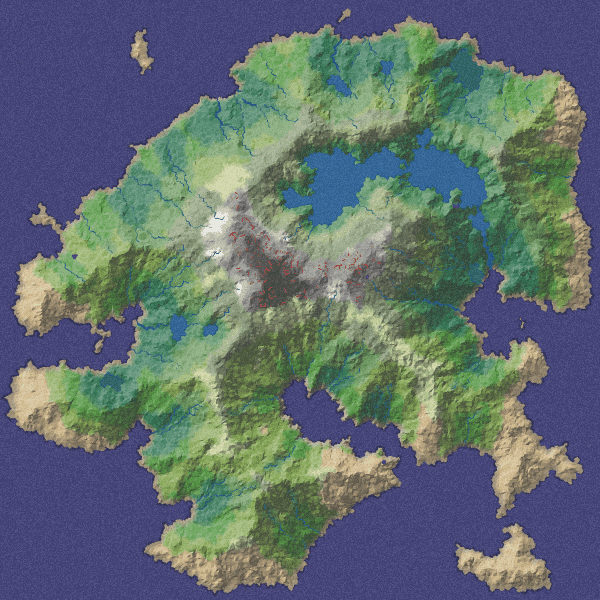
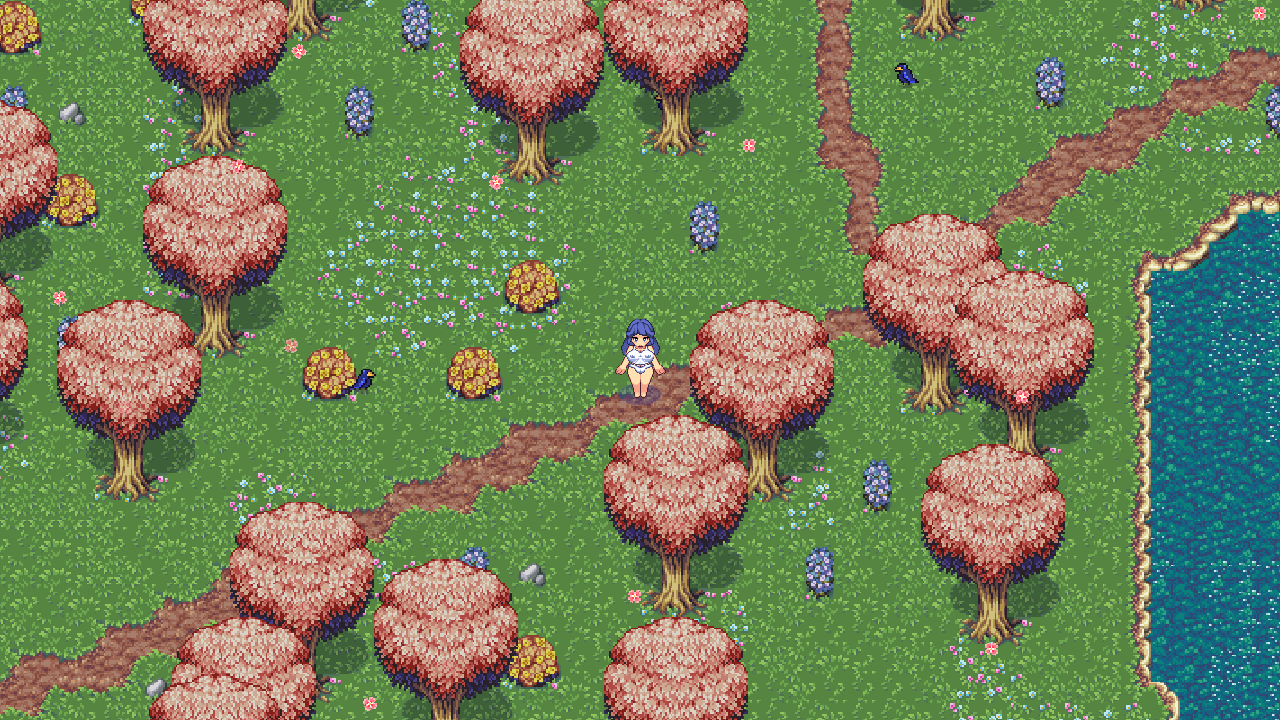
Procedural content generation (PCG) allows developers to create:
- Expansive open worlds
- Randomized dungeon layouts
- Infinite replayability systems
- Dynamic quest generation
This approach reduces asset production costs while increasing player engagement.
The IEEE Conference on Games regularly publishes research on AI-driven procedural systems, demonstrating their scalability and adaptability.
For indie studios, PCG offers:
- Lower memory requirements
- Reduced design repetition
- Enhanced replay value
However, balancing randomness with intentional design remains a challenge.
AI in Audio and Music Production
Audio is often under-resourced in indie projects. AI tools now assist with:
- Procedural soundtrack generation
- Sound effect creation
- Voice synthesis
- Dialogue localization
Platforms offering AI-assisted composition allow developers to generate adaptive music layers that respond dynamically to gameplay intensity.
Research from the Berklee College of Music explores how machine learning models can augment composers rather than replace them, enabling scalable music systems without sacrificing creativity.
Still, ethical considerations around voice synthesis and licensing must be carefully managed.
Testing, QA, and Performance Optimization
Quality assurance can consume a significant share of development time.
AI-powered testing tools help by:
- Simulating player behavior
- Detecting edge-case bugs
- Stress-testing game economies
- Identifying performance bottlenecks
Automated testing environments reduce the need for extensive manual playtesting during early builds.
According to the Entertainment Software Association, player expectations for polish continue to rise. AI-assisted QA helps indie developers meet these standards without AAA-level budgets.
Comparison Table: Traditional vs AI-Enhanced Indie Workflow
| Development Stage | Traditional Workflow | AI-Enhanced Workflow | Impact on Indie Studios |
|---|---|---|---|
| Concept Design | Manual brainstorming and documentation | AI-assisted idea expansion and documentation drafting | Faster ideation cycles |
| Art Creation | Custom art or purchased assets | AI-generated prototypes + human refinement | Reduced early-stage costs |
| Coding | Fully manual scripting | AI-assisted code generation and debugging | Increased productivity |
| NPC Design | Rule-based scripting | Machine learning behavior modeling | More dynamic gameplay |
| World Building | Manually designed levels | Procedural AI-driven generation | Scalable environments |
| Testing | Manual QA sessions | AI simulation and automated testing | Faster bug detection |
| Audio Production | Custom composition | AI-assisted adaptive music systems | Cost-efficient sound design |
Ethical and Legal Considerations
While AI offers immense benefits, responsible use is essential.
Key Concerns:
- Intellectual property rights
- Training data transparency
- Asset ownership clarity
- Player trust
Organizations like the World Intellectual Property Organization continue to examine copyright implications of AI-generated works.
Indie developers must ensure:
- AI tools comply with licensing standards
- Assets are legally usable in commercial releases
- Credits and transparency are maintained
Ignoring these issues can lead to distribution platform challenges or reputational harm.
Limitations and Realistic Expectations
AI is not a substitute for creativity, design intuition, or production discipline.
Common limitations include:
- Inconsistent art styles
- Generic narrative outputs
- Over-reliance on templates
- Lack of emotional depth in storytelling
Research from the Stanford Human-Centered AI Institute emphasizes that AI systems function best as augmentation tools, not autonomous creators.
Indie studios that treat AI as a collaborative assistant rather than a replacement achieve more balanced outcomes.
Strategic Adoption: Best Practices for Indie Developers
To integrate AI effectively:
1. Start with High-Friction Tasks
Automate repetitive work first—asset variations, debugging, data analysis.
2. Maintain Creative Oversight
Human direction should guide every AI-generated output.
3. Document Tool Usage
Maintain internal documentation for transparency and future reference.
4. Test Extensively
AI-generated systems can introduce unpredictable edge cases.
5. Stay Updated
The AI landscape evolves rapidly. Monitoring updates from major engine providers and industry conferences ensures continued relevance.
The Broader Industry Impact
AI adoption is influencing not just workflows, but industry economics:
- Lower entry barriers
- Increased competition
- Faster production cycles
- Greater creative experimentation
Distribution platforms now see more indie releases than ever before. As production efficiency increases, discoverability becomes the new challenge.
AI tools may eventually assist with marketing optimization, audience targeting, and player analytics—further reshaping the indie ecosystem.
Frequently Asked Questions (FAQ)
1. Do AI tools replace indie game developers?
No. AI tools automate repetitive tasks but still require human direction, creativity, and technical oversight.
2. Are AI-generated assets legally safe to use?
It depends on the licensing terms of the tool used. Developers should review usage rights carefully before commercial deployment.
3. Can solo developers realistically build full games using AI?
AI significantly reduces workload, making solo development more feasible, but project scope and planning remain critical.
4. Does AI reduce development costs?
Yes, particularly in early prototyping and asset generation. However, professional refinement may still require investment.
5. Is procedural generation suitable for every genre?
Not always. While ideal for roguelikes and sandbox games, narrative-heavy titles may require more handcrafted design.
6. What are the biggest risks of AI integration?
Over-reliance, inconsistent output quality, and potential legal uncertainty are the primary concerns.
Conclusion: A New Creative Multiplier for Indie Studios
AI tools are fundamentally reshaping the indie game development workflow—not by eliminating human creativity, but by amplifying it.
From pre-production design assistance to procedural world generation, AI reduces friction across nearly every stage of development. Small teams can now prototype faster, experiment more freely, and deliver higher production value without dramatically increasing budgets.
Yet the most successful indie studios treat AI as a collaborator rather than a shortcut. Creative direction, ethical awareness, and technical oversight remain essential. The tools are powerful, but they require thoughtful implementation.
As engines evolve, research advances, and accessibility increases, AI will continue to lower barriers while raising expectations. Indie developers who embrace this shift strategically—balancing automation with craftsmanship—stand to redefine what small teams can accomplish in the global gaming industry.
The future of indie development is not fully automated. It is augmented, accelerated, and creatively empowered.