


Indie game development is equal parts creativity and coordination. Small teams juggle design documents, asset pipelines, bug tracking, marketing timelines, and publishing milestones—often with limited resources and tight deadlines. Without a reliable task management system, even the most promising concept can collapse under miscommunication and missed deadlines.
According to the International Game Developers Association (IGDA) in its Developer Satisfaction Survey, many small studios struggle with workload management and crunch culture. Structured project systems significantly reduce burnout and increase delivery reliability. For indie studios operating remotely or across time zones, structured collaboration is not optional—it’s essential.
This comprehensive guide explores the best task management tools for indie game studios, how they fit into real production workflows, and how to choose the right system for your team.
Why Task Management Is Critical in Indie Game Development
Game development is uniquely complex. Unlike typical software projects, it blends:
- Code (gameplay systems, engines, optimization)
- Art (2D/3D assets, animations, UI)
- Audio (music, sound effects)
- Narrative design
- QA and bug fixing
- Publishing and marketing
Frameworks such as Agile and Scrum, widely adopted in software development and documented by the Scrum Alliance, are increasingly used in game studios to manage iterative development cycles.
Indie teams especially benefit from:
- Clear sprint planning
- Visual task boards
- Milestone tracking
- Bug triaging workflows
- Asset approval pipelines
Without structure, version conflicts, delayed art assets, and misaligned features can derail release schedules.
The following tools have proven reliable across indie environments—from solo developers to distributed teams of 15–20 members.
1. Trello – Visual Simplicity for Small Teams
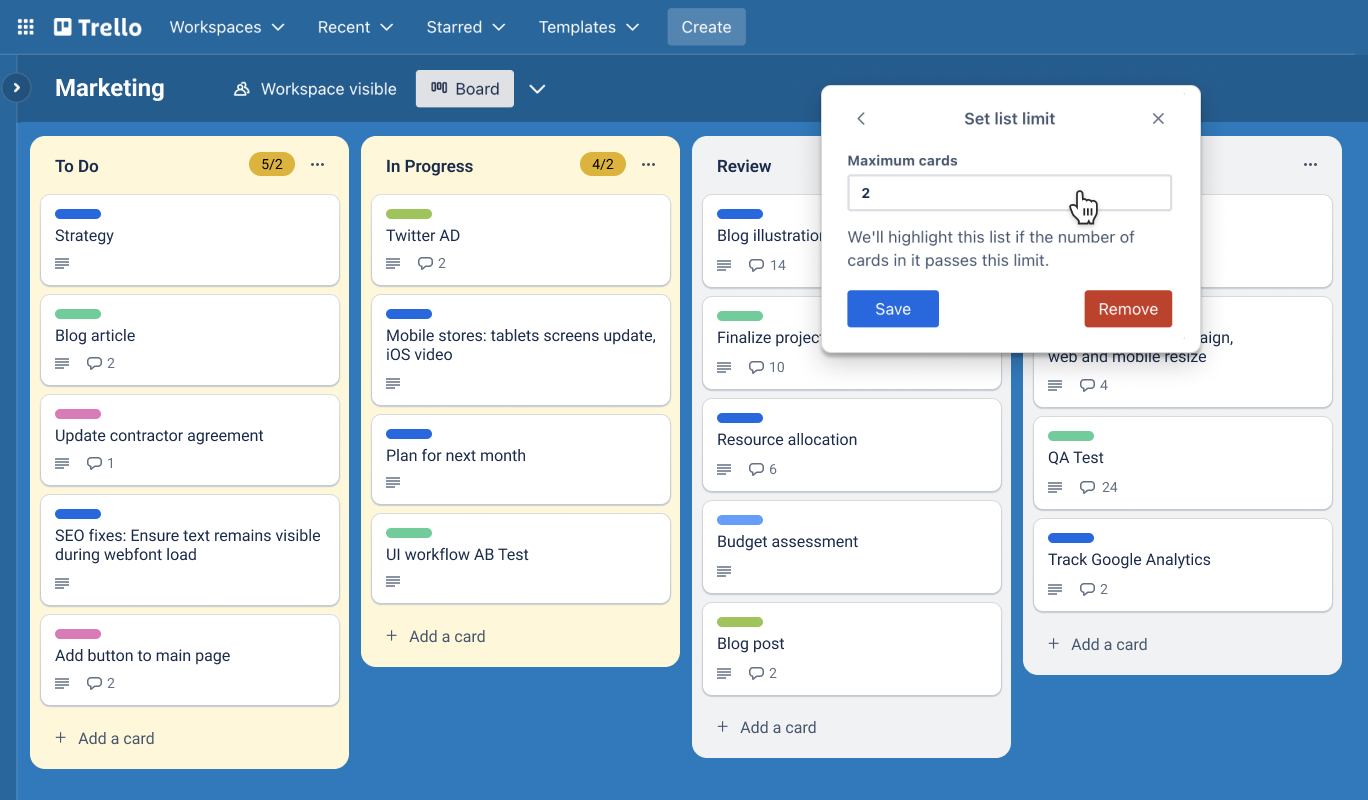
Trello by Atlassian remains one of the most intuitive Kanban-based task managers available. Its drag-and-drop boards allow studios to visualize development stages such as:
- Backlog
- In Progress
- Testing
- Done
The Kanban system is rooted in lean manufacturing and widely applied in modern project management, as documented by the Kanban University.
Best For:
- Very small indie teams (1–5 members)
- Early prototyping phases
- Visual thinkers
- Budget-conscious developers
Strengths:
- Extremely easy setup
- Free plan suitable for small studios
- Clean visual overview
- Power-Ups for GitHub and Slack integration
Limitations:
- Limited advanced reporting
- Can become cluttered for larger teams
- Basic sprint tracking compared to dedicated Agile tools
For early-stage studios or game jams, Trello provides structure without complexity.
2. Jira – Advanced Agile for Growing Studios

Jira, also developed by Atlassian, is widely used in software engineering and game studios alike. Major companies such as Ubisoft and Electronic Arts have relied on structured issue tracking systems similar to Jira for complex production cycles.
According to the Atlassian Agile Coach, structured sprint planning increases predictability and reduces production bottlenecks.
Best For:
- Mid-sized indie studios (5–25 developers)
- Teams using Scrum or Agile
- Studios with structured QA pipelines
Strengths:
- Advanced sprint planning
- Detailed bug tracking
- Custom workflows
- Integration with development tools (GitHub, Bitbucket, CI/CD)
Limitations:
- Steeper learning curve
- Can feel overwhelming for non-technical team members
- Configuration requires initial setup time
For studios preparing commercial releases with regular patches and structured QA, Jira offers the control needed for scalability.
3. Asana – Balanced Structure and Simplicity
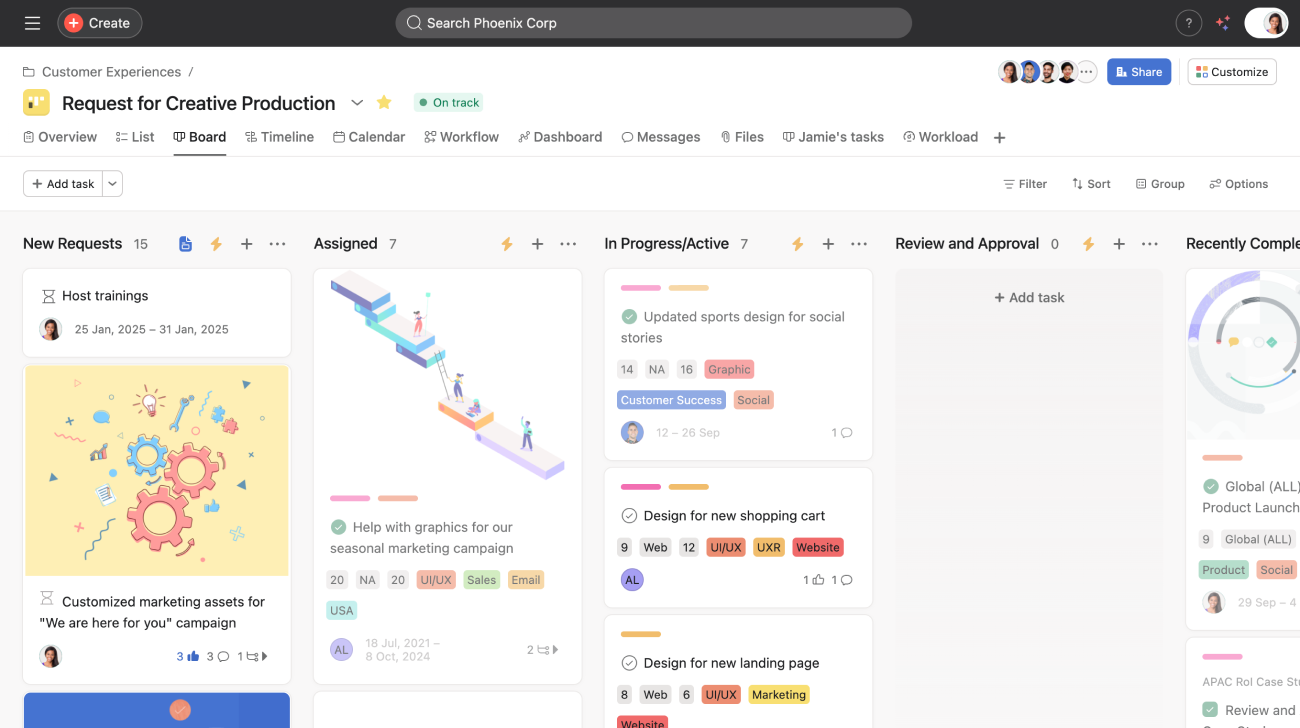
Asana, founded by Dustin Moskovitz, is known for its flexible views—list, board, and timeline. Indie studios appreciate its balanced approach between simplicity and structure.
The platform supports milestone tracking, workload distribution, and dependency mapping—critical in coordinating art and engineering timelines.
Research from the Project Management Institute highlights that clear dependency mapping reduces project delays in creative industries.
Best For:
- Cross-functional teams
- Hybrid development and marketing tracking
- Studios managing pre-launch campaigns alongside development
Strengths:
- Clean interface
- Strong task dependencies
- Visual timeline (Gantt-style)
- Collaboration-friendly
Limitations:
- Advanced features behind paywall
- Less specialized for bug tracking
Asana works particularly well for studios balancing development with marketing pushes, Kickstarter campaigns, or publisher communication.
4. ClickUp – All-in-One Flexibility

ClickUp markets itself as an “everything app” for productivity. Indie studios benefit from:
- Docs + task tracking
- Sprint management
- Time tracking
- Custom dashboards
According to Gartner’s productivity software analysis, integrated ecosystems reduce tool fragmentation and improve collaboration efficiency.
Best For:
- Teams wanting everything in one platform
- Remote indie studios
- Teams managing design documents inside task systems
Strengths:
- Highly customizable
- Competitive pricing
- Integrated documentation
- Strong reporting
Limitations:
- Overwhelming feature set for beginners
- Setup requires thoughtful planning
ClickUp fits indie studios that want to consolidate tools and reduce software subscriptions.
5. Monday.com – Visual Workflow Automation
Monday.com emphasizes automation and customizable dashboards. Studios can automate:
- Status updates
- Deadline reminders
- QA handoffs
Workflow automation aligns with digital transformation principles outlined by the Harvard Business Review.
Best For:
- Studios with repetitive production cycles
- Teams managing asset approvals
- Hybrid creative + technical workflows
Strengths:
- Visual dashboards
- Automation features
- Easy reporting
Limitations:
- Higher cost
- Less specialized for engineering workflows
6. Notion – Documentation-Driven Studios

Notion combines documentation and lightweight task tracking. Indie studios often store:
- Game design documents
- Lore databases
- Asset lists
- Roadmaps
While not a traditional Agile tool, Notion supports Kanban boards and databases.
The importance of centralized documentation in creative production is emphasized in digital workflow research from the MIT Sloan Management Review.
Best For:
- Narrative-heavy games
- Small creative teams
- Pre-production planning
Limitations:
- Limited advanced bug tracking
- Not ideal for high-volume QA cycles
Comparison Table: Best Task Management Tools for Indie Game Studios
| Tool | Best For | Agile Support | Bug Tracking | Ease of Use | Pricing Tier |
|---|---|---|---|---|---|
| Trello | Small teams | Basic | Limited | Very Easy | Free/Low |
| Jira | Scaling studios | Advanced | Excellent | Moderate | Mid |
| Asana | Cross-functional teams | Moderate | Basic | Easy | Mid |
| ClickUp | All-in-one workflows | Advanced | Good | Moderate | Competitive |
| Monday.com | Automation-focused teams | Moderate | Basic | Easy | Higher |
| Notion | Documentation-heavy studios | Basic | Limited | Easy | Affordable |
How to Choose the Right Tool for Your Studio
Choosing software should align with:
- Team size
- Development methodology
- Budget
- Technical complexity
- Remote collaboration needs
A two-person pixel-art team building a narrative-driven indie game may thrive with Notion or Trello. A 20-person studio preparing for console launch with structured QA cycles will likely require Jira or ClickUp.
Consider:
- Does the team need structured sprints?
- Is bug tracking critical?
- Are marketing tasks tracked alongside development?
- How technical are team members?
Selecting the right tool is less about popularity and more about workflow alignment.
Implementation Tips for Indie Studios
Start With Clear Workflow Mapping
Define:
- Feature pipeline
- Asset pipeline
- QA process
- Release milestones
Avoid Over-Configuration
Many teams overbuild workflows before production stabilizes. Start simple and iterate.
Train the Entire Team
Adoption matters more than features. Ensure artists, designers, and programmers understand how to log tasks and update statuses.
Integrate Version Control
Connect tools with GitHub or other repositories for streamlined development.
Review and Adapt
Revisit workflows after each milestone or sprint cycle.
Frequently Asked Questions
What is the best free task management tool for indie game studios?
Trello and ClickUp offer strong free tiers suitable for small teams. Trello is easier to adopt, while ClickUp offers more features.
Should indie studios use Agile methodologies?
Agile works well for iterative game development, especially when balancing gameplay refinement and bug fixing. However, smaller narrative-focused projects may adopt hybrid workflows.
Is Jira too complex for small teams?
For teams under five members, Jira may feel excessive. For structured QA and scaling production, it becomes highly valuable.
Can one tool handle both development and marketing?
Asana and ClickUp are strong candidates for managing both development tasks and marketing campaigns within a unified dashboard.
How often should workflows be reviewed?
Studios should review workflows after major milestones or every few sprint cycles to identify inefficiencies.
Final Thoughts: Building Sustainable Indie Workflows
Indie game development thrives on creativity, but sustainable production requires discipline. The right task management tool creates clarity without stifling innovation. It reduces burnout, improves transparency, and strengthens collaboration.
There is no universal solution. Trello supports rapid prototyping. Jira empowers structured production. ClickUp centralizes everything. Asana balances creative and operational workflows. Monday.com streamlines automation. Notion supports deep documentation.
The most successful indie studios focus not on features alone but on alignment between tools and team culture. Clear communication, defined workflows, and continuous refinement matter more than brand names.
By choosing intentionally and implementing thoughtfully, indie studios can build not only better games—but healthier development environments capable of long-term growth.