


The video game industry is no longer defined by one-time purchases or small in-game payments. Over the past decade, monetization strategies have expanded from downloadable content and cosmetic purchases to sophisticated live-service ecosystems. According to industry market data from Statista’s global games reports, digital revenue now dominates the gaming sector, with recurring income models driving much of its growth.
However, consumer sentiment is shifting. Players are demanding transparency, long-term value, and fair monetization systems. Regulatory discussions around digital commerce practices, including research and hearings published by the U.S. Federal Trade Commission, have intensified scrutiny on certain monetization techniques. At the same time, market intelligence from the Newzoo Global Games Market Report shows that retention and engagement have become more important than impulse spending.
The future of game monetization extends far beyond traditional microtransactions. It is evolving toward ecosystem-based revenue models that prioritize sustainability, community engagement, and diversified income streams.
The Decline of Overreliance on Microtransactions
Microtransactions transformed the gaming economy, particularly in free-to-play titles. Cosmetic purchases, premium currencies, and randomized loot systems generated significant revenue. Yet player fatigue has become increasingly visible. Concerns about fairness and game balance have influenced both public opinion and policy discussions.
The Entertainment Software Association emphasizes that gaming audiences are now broader than ever, spanning multiple generations. This diversity has raised expectations around ethical monetization and consumer protection.
Developers are recognizing that long-term brand equity matters more than short-term transactional gains. Sustainable monetization now requires:
- Transparent pricing
- Clear value exchange
- Balanced gameplay without pay-to-win mechanics
- Long-term engagement strategies
The industry is entering a phase where trust becomes a competitive advantage.
Subscription Ecosystems: Recurring Value Models

Subscription-based gaming has rapidly expanded. Services such as Xbox Game Pass and PlayStation Plus offer extensive game libraries for a monthly fee. This model creates predictable revenue streams while lowering entry barriers for players.
Research insights from Gartner highlight how subscription economies across digital industries are reshaping consumer expectations. Gaming follows the same trajectory.
Key advantages include:
- Steady, recurring income for publishers
- Reduced dependency on individual item sales
- Greater exposure for independent developers
- Enhanced player perception of value
As cloud infrastructure improves, subscription services may become the default access model rather than an optional alternative.
Battle Pass 2.0: Structured Engagement Without Exploitation
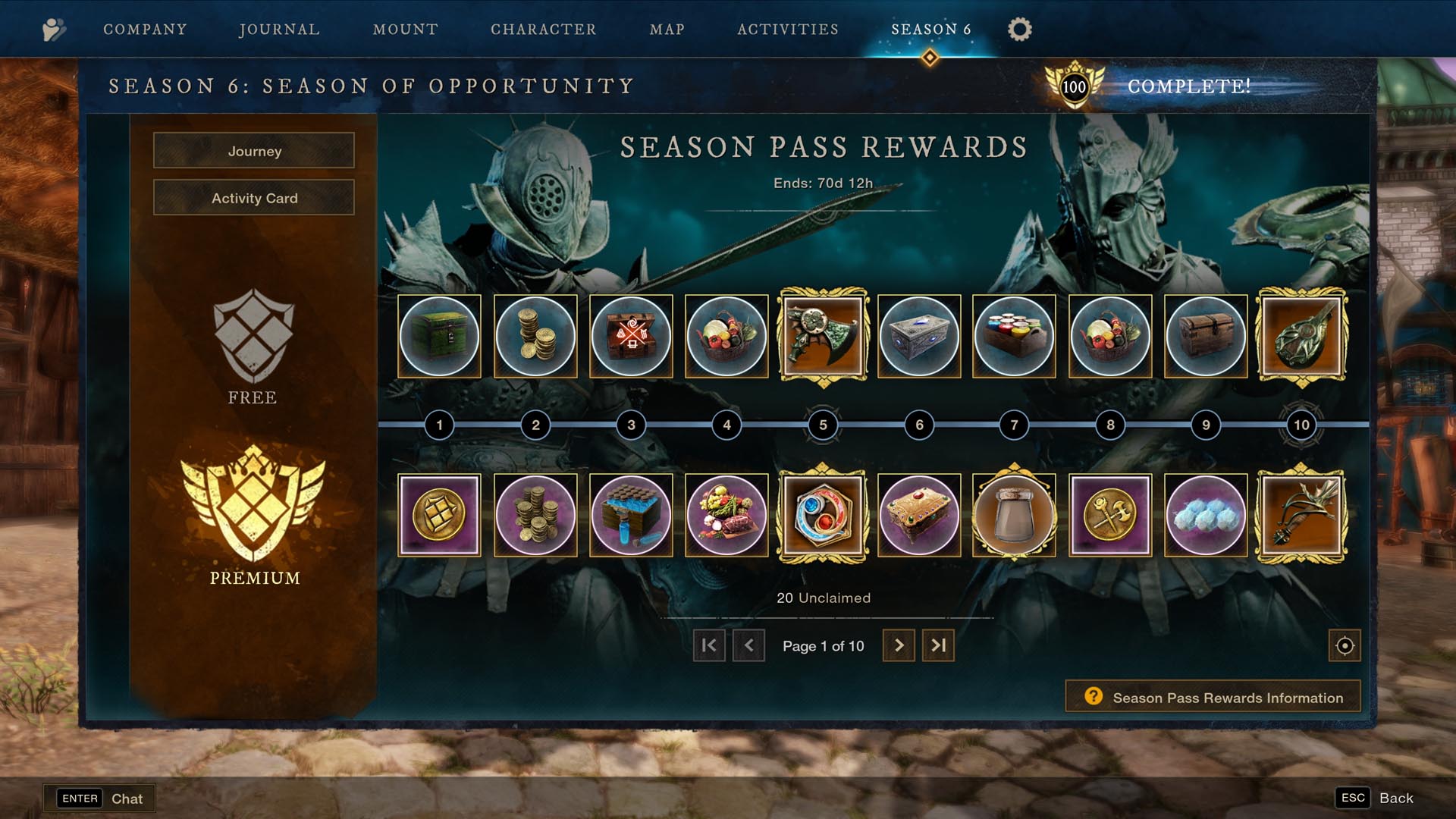
The battle pass model introduced structured progression rewards in seasonal cycles. Popularized by titles like Fortnite, it replaced randomized monetization with transparent reward tracks.
The next generation of battle passes is evolving in three major ways:
- Reduced grind requirements
- Cross-title progression systems
- Greater focus on cosmetic and experiential rewards
Industry analysis from GamesIndustry.biz indicates that players prefer predictable reward systems over chance-based purchases.
Future iterations may integrate adaptive systems that adjust based on player engagement, providing meaningful incentives without excessive time pressure.
Creator Economies and User-Generated Content

User-generated content is reshaping monetization. Platforms such as Roblox have demonstrated how empowering creators can generate scalable digital economies. Developers build tools, players create content, and the platform facilitates transactions.
This ecosystem model offers:
- Revenue sharing with creators
- Community-driven growth
- Continuous content expansion
- Lower development costs per content unit
Economic research from the World Bank on digital platform economies highlights how participatory ecosystems generate sustainable long-term growth.
Rather than monetizing players directly, this approach monetizes creativity and community contribution.
Blockchain, Digital Ownership, and Asset Portability
Blockchain-based gaming introduced the concept of player-owned digital assets. While early implementations faced volatility and skepticism, the core idea—verifiable ownership—continues to influence innovation discussions.
According to digital asset research from McKinsey & Company, virtual economies and digital identity frameworks may reshape ownership models across industries, including gaming.
Potential applications include:
- Interoperable cosmetic items
- Player-controlled asset trading
- Cross-platform identity systems
The future viability of blockchain in gaming depends on scalability, environmental efficiency, and regulatory clarity. Nonetheless, asset interoperability remains a significant area of experimentation.
Advertising 3.0: Immersive and Contextual Monetization

In-game advertising is evolving beyond intrusive pop-ups. According to digital advertising analysis from PwC, immersive and context-aware ad placements are becoming more common across interactive media.
Modern advertising strategies focus on:
- Native in-world placements
- Sponsored esports tournaments
- Optional reward-based advertisements
- Branded virtual environments
When integrated naturally, advertising can support free content without damaging player immersion. The emphasis is shifting toward non-disruptive formats that respect gameplay flow.
Cross-Media IP Expansion as Revenue Diversification
Gaming intellectual properties increasingly extend into television, film, merchandise, and live events. Diversification reduces reliance on in-game monetization alone.
Revenue streams now include:
- Streaming adaptations
- Merchandise licensing
- Competitive esports ecosystems
- Limited-edition collectibles
Cross-media expansion transforms games into broader entertainment franchises, strengthening brand value and financial resilience.
Data-Driven Personalization and Ethical Pricing
Advanced analytics allow developers to personalize offers responsibly. Rather than encouraging excessive spending, data-driven systems can:
- Offer loyalty discounts
- Adjust subscription tiers
- Provide targeted content bundles
- Enhance retention without pressure
Transparency and data protection compliance remain critical. Personalization must support accessibility rather than create inequality.
Comparison Table: Monetization Models Beyond Microtransactions
| Monetization Model | Revenue Stability | Player Trust Level | Scalability | Long-Term Sustainability |
|---|---|---|---|---|
| Subscription Services | High | High | Strong | Very High |
| Battle Pass Evolution | Moderate | High | Strong | High |
| Creator Economies | Variable | Very High | Expanding | Very High |
| Blockchain Ownership | Emerging | Mixed | Experimental | Uncertain |
| Native Advertising | Moderate | Neutral to Positive | Strong | High |
| Cross-Media Expansion | High | High | Expanding | Extremely High |
The Role of Artificial Intelligence in Monetization
Artificial intelligence supports monetization indirectly by enhancing experience quality. Responsible AI systems can:
- Improve matchmaking accuracy
- Optimize content delivery timing
- Predict churn risk and improve retention
- Automate moderation and customer support
By improving overall satisfaction, AI strengthens long-term revenue stability without aggressive sales tactics.
Frequently Asked Questions
1. Are microtransactions becoming obsolete?
Microtransactions are not disappearing, but their dominance is decreasing. They are increasingly integrated into broader ecosystems rather than standing alone.
2. Will subscriptions replace game ownership entirely?
Subscription growth is significant, but ownership models continue to appeal to collectors and offline-focused players. Hybrid models are most likely.
3. Is blockchain essential to the future of gaming?
Blockchain offers potential advantages in asset ownership and interoperability. However, widespread adoption depends on infrastructure maturity and regulatory clarity.
4. How can smaller studios adapt to these new models?
Smaller developers can partner with subscription platforms, implement cosmetic-only seasonal passes, build strong communities, and explore cross-platform publishing opportunities.
5. Does advertising negatively impact gameplay?
Intrusive advertising can disrupt immersion. Contextual, optional, and native formats reduce disruption and are generally more accepted.
The Long-Term Outlook: A Sustainable Value Exchange
The future of game monetization is defined by balance. Developers require consistent revenue to support innovation, while players expect fairness, transparency, and meaningful content.
Emerging models—subscriptions, creator economies, contextual advertising, cross-media expansion, and asset interoperability—demonstrate a shift from transactional extraction toward ecosystem value creation.
Gaming now rivals traditional entertainment industries in global revenue and cultural influence. As expectations rise, monetization must evolve alongside audience maturity.
Sustainable growth will favor companies that diversify revenue streams, respect player time and investment, and prioritize long-term community trust over short-term gains. Beyond microtransactions lies a broader, more resilient economic framework—one built on value alignment rather than friction.