


Digital games have become one of the most influential cultural forms of the 21st century. From early arcade cabinets to sprawling online worlds, games document technological innovation, artistic expression, and social interaction. Yet in 2026, preserving digital games remains one of the most complex archival challenges of the digital age.
Unlike books or films, games are interactive, software-dependent, and often tied to fragile ecosystems of hardware, servers, and corporate licensing. Institutions such as the Video Game History Foundation and the Internet Archive have raised awareness about disappearing titles, but the scale of the problem continues to grow.
This article explores the technical, legal, economic, and cultural obstacles facing digital game preservation in 2026—and what stakeholders can realistically do to protect gaming history for future generations.
Why Digital Game Preservation Matters

Digital games are no longer niche entertainment products. They are cultural artifacts that reflect artistic trends, political contexts, design philosophies, and community identities. Major institutions such as the Smithsonian American Art Museum have recognized games as art, exhibiting titles that shaped interactive storytelling and visual design.
Preservation serves several purposes:
- Historical documentation of technological evolution
- Academic research into digital culture and media studies
- Legal and policy study related to digital ownership
- Public access for future generations
Organizations like the Library of Congress have acknowledged software preservation as a national priority. However, preserving games involves far more than saving code files to a hard drive.
The Technical Fragility of Games
1. Hardware Obsolescence
Many classic games were designed for specific consoles or arcade boards that are no longer manufactured. Systems such as the Nintendo 64 or PlayStation 2 relied on proprietary chips and display standards that modern systems do not support natively.
When hardware fails, replacement parts become rare and expensive. Without functioning consoles, even perfectly preserved cartridges become inaccessible. Emulation has helped, but it introduces its own complications—especially when dealing with timing-sensitive games or specialized controllers.
The Software Preservation Network highlights that preserving digital works often requires preserving the entire computing environment, not just the files themselves.
2. Format Decay and Data Rot
Physical media such as CDs, DVDs, and cartridges degrade over time. Optical discs suffer from disc rot. Magnetic storage loses integrity. Even digital backups can become corrupted if not actively maintained.
Game preservation requires:
- Redundant backups
- Checksum verification
- Migration to updated formats
- Controlled storage conditions
Archival best practices, such as those recommended by the National Digital Stewardship Alliance, emphasize ongoing management rather than one-time storage.
The Online-Only Game Dilemma

One of the defining preservation challenges of 2026 is the rise of online-only games.
Massively multiplayer titles such as World of Warcraft and competitive games like Fortnite rely on centralized servers. When publishers shut down those servers, the game effectively ceases to exist in its intended form.
This creates a paradox:
- The code may survive
- The client files may be archived
- But the interactive experience disappears
The Electronic Frontier Foundation has advocated for exemptions that allow preservationists to bypass certain protections when servers are permanently discontinued. Still, legal gray areas remain.
Server-dependent games raise deeper questions:
- How can archivists preserve live events and seasonal updates?
- Should companies be required to release server code after shutdown?
- Is a community-run server an authentic preservation?
In many cases, what survives is a snapshot—not the evolving experience players once engaged with.
Legal Barriers and Copyright Complexity
Digital games are protected by layers of intellectual property law:
- Copyright in code
- Copyright in art and music
- Trademark protections
- Anti-circumvention provisions under the DMCA
In the United States, the U.S. Copyright Office periodically reviews exemptions that allow preservationists to bypass DRM under limited conditions. However, these exemptions are narrow and often restricted to institutions such as libraries and museums.
Preservation efforts are constrained by:
- Unclear ownership when studios close
- Licensing agreements for third-party engines
- Expired music rights
- Anti-circumvention laws
Even when a game is commercially unavailable, it may remain legally inaccessible.
DRM and Authentication Systems
Digital Rights Management (DRM) systems are designed to prevent unauthorized copying, but they also complicate preservation.
Modern games frequently require:
- Always-online authentication
- Platform-based validation
- Encrypted distribution systems
For example, platforms such as Valve Corporation operate digital storefronts like Steam, where licenses are tied to accounts rather than physical media.
If a platform ceases operation, or if authentication servers are discontinued, legally purchased games can become unplayabe.
Preservation advocates argue that DRM sunset policies—where publishers release unprotected versions after commercial viability ends—could offer a practical compromise.
Corporate Control and Platform Lock-In
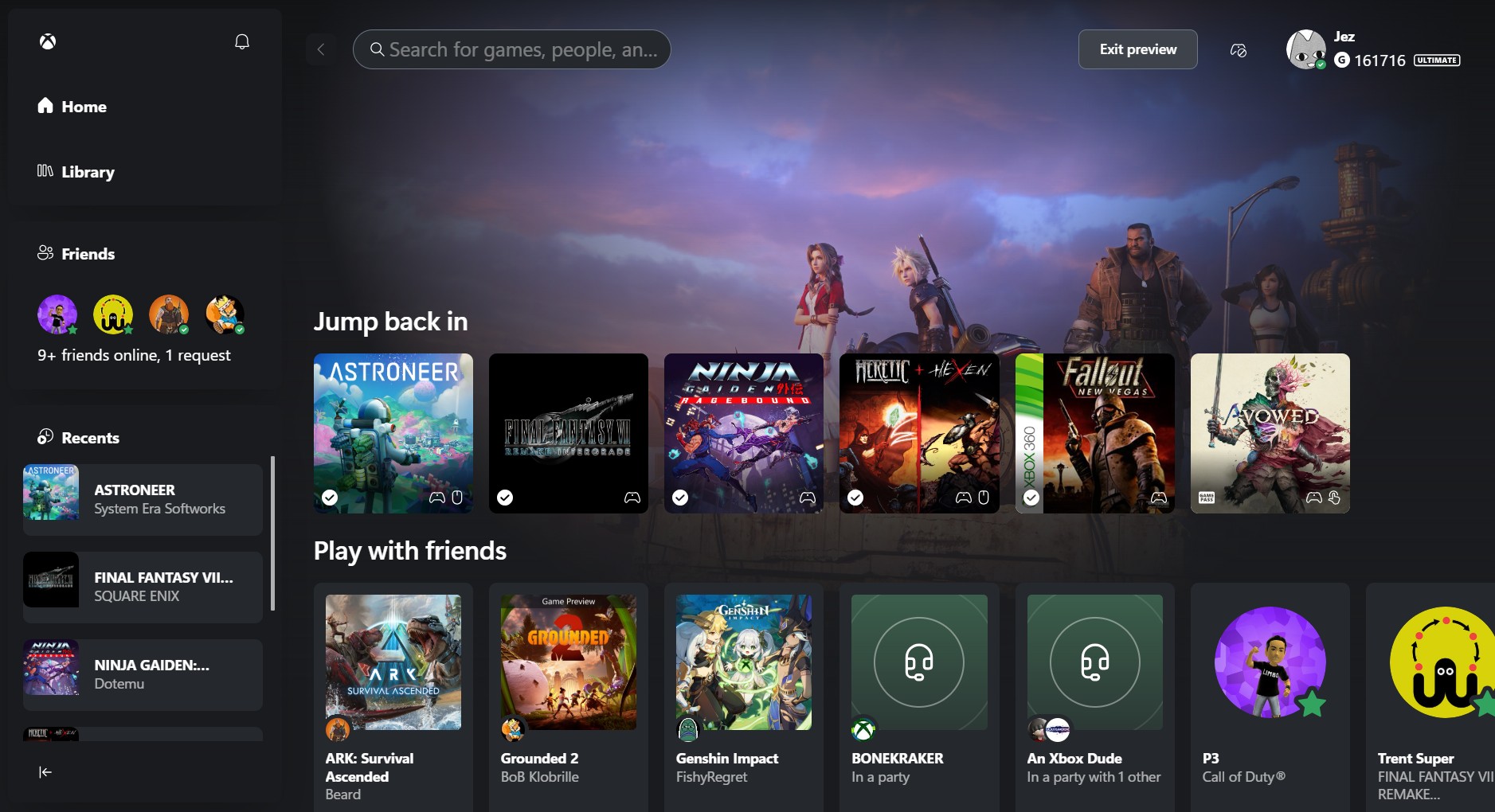
The shift from ownership to access-based models has intensified preservation challenges.
Subscription services such as Microsoft’s Xbox Game Pass or cloud platforms like NVIDIA’s GeForce Now do not provide downloadable, permanent copies. Games rotate in and out of availability.
Cloud gaming introduces a new preservation barrier:
- No local executable
- Server-side rendering
- Proprietary infrastructure
In such ecosystems, the game is inseparable from corporate infrastructure. Without cooperation from platform holders, preservation becomes nearly impossible.
The Economic Disincentive to Preserve
Game preservation competes with commercial interests.
Publishers may hesitate to release source code or older builds due to:
- Potential remaster revenue
- Brand control
- Licensing complications
From a business perspective, scarcity can increase market value. However, from a cultural standpoint, it creates archival gaps.
Academic research from institutions like the University of Texas at Austin School of Information underscores the tension between corporate strategy and long-term access.
Balancing profit motives with cultural responsibility remains one of the central dilemmas of 2026.
Source Code Loss and Development Chaos
Many older games suffer from missing source code. Studios often did not maintain structured archival systems in earlier decades.
Without source code:
- Ports become difficult
- Bug fixes are limited
- Emulation becomes the primary method
Even large studios have acknowledged lost assets in past remaster efforts. This highlights the need for modern studios to implement structured archival practices during development.
Preservation Approaches Compared
| Preservation Method | Strengths | Weaknesses | Best Use Case |
|---|---|---|---|
| Emulation | Broad accessibility, scalable | Accuracy limitations, legal concerns | Retro console games |
| Physical Archiving | Tangible artifacts preserved | Media degradation | Hardware museums |
| Source Code Archival | Enables accurate restoration | Rarely publicly accessible | Long-term corporate archives |
| Cloud Capture (Recorded Play) | Preserves gameplay experience | Not interactive | Online-only games |
| Community Servers | Revives multiplayer experiences | Legal uncertainty | Abandoned online titles |
Each method solves part of the problem—but none fully recreates the original ecosystem.
The Role of Institutions and Nonprofits
Several organizations actively work toward preservation:
- The Video Game History Foundation
- The Internet Archive
- The Electronic Frontier Foundation
- The Library of Congress
Their strategies include:
- Legal advocacy
- ROM archiving
- Developer interviews
- Document digitization
However, limited funding and legal restrictions constrain their capacity.
Emerging Solutions in 2026
Despite the challenges, promising developments are emerging:
1. Open-Source Releases
Some studios have released legacy game engines as open source, allowing communities to maintain compatibility.
2. Legislative Reform
Advocacy groups continue to push for broader preservation exemptions in copyright law.
3. Standardized Archival Pipelines
Game engines increasingly include version control systems and documentation frameworks, making structured archiving more feasible.
4. Digital Deposit Requirements
There is ongoing discussion about requiring publishers to deposit source code with national libraries under controlled access systems.
Ethical Questions in Preservation
Preserving games is not only technical or legal—it is ethical.
Questions include:
- Should controversial or culturally sensitive games be preserved?
- Who decides which games deserve archiving?
- Is player-created content part of the official historical record?
Scholars argue that excluding uncomfortable or commercially unsuccessful titles distorts history.
Frequently Asked Questions
Why can’t old games simply be re-released?
Re-releases require functional source code, updated licensing agreements, and compatibility adjustments. Music and engine licenses may have expired.
Is emulation legal?
Emulation itself is generally legal, but distributing copyrighted ROM files without authorization is typically unlawful unless specific exemptions apply.
What happens when online games shut down?
Unless server software is preserved and legally released, the interactive experience disappears.
Are companies required to preserve their games?
In most jurisdictions, there is no universal legal obligation requiring companies to maintain long-term access.
Can individuals help preserve games?
Supporting preservation nonprofits, advocating for policy reform, and responsibly archiving legally owned materials can contribute to broader efforts.
The Cultural Cost of Inaction
If preservation fails, future historians may encounter a fragmented record of one of the most influential art forms of the modern era.
Unlike film or literature, where physical copies often survive independently of corporations, games frequently remain locked behind proprietary ecosystems. Without collaboration between developers, lawmakers, archivists, and communities, entire genres and technological eras risk disappearing.
The challenge in 2026 is not a lack of awareness—it is aligning incentives.
Sustainable preservation requires:
- Legal reform that balances rights and access
- Corporate participation in archival planning
- Public funding for digital stewardship
- Transparent documentation during development
Digital games represent decades of creativity, innovation, and social interaction. Preserving them is not nostalgia—it is safeguarding cultural memory.
The path forward demands cooperation, thoughtful policy, and recognition that digital works deserve the same archival respect as books, films, and music. If preservation becomes integrated into development pipelines rather than treated as an afterthought, the industry can ensure that future generations experience not only the latest releases—but the full history that shaped them.