


The landscape of game development in 2026 is more accessible—and more competitive—than ever. Powerful engines are free. Asset marketplaces are rich with resources. Distribution platforms reach millions. At the same time, discoverability is harder, player expectations are higher, and technical standards continue to rise.
For solo developers, success is no longer about simply finishing a game. It requires a structured roadmap that balances creative ambition with technical skill, marketing awareness, and long-term sustainability.
This comprehensive guide outlines a practical, realistic roadmap for solo developers in 2026—from foundational skills to post-launch growth—grounded in industry best practices and trusted resources.
1. Understanding the 2026 Game Development Landscape

Game development has shifted significantly over the last decade. Engines like Unity and Unreal Engine now offer production-grade tools without upfront licensing costs, making entry easier than ever. According to the official Unity documentation and Unreal Engine developer resources, both ecosystems continue to expand support for mobile, console, PC, and VR development.
Meanwhile, distribution platforms such as Steamworks, itch.io, and console storefronts have lowered barriers to publishing—but raised expectations for polish and marketing readiness.
Key trends shaping 2026:
- Cross-platform development is increasingly standard.
- AI-assisted tools accelerate asset creation and testing.
- Players expect regular updates and live-service elements.
- Community building starts long before launch.
A solo developer must think like both a creator and a small studio founder.
2. Phase One: Build the Right Foundations
Before writing a single line of gameplay code, focus on structured skill development.
Core Technical Skills
A solo developer in 2026 should be comfortable with:
- A primary game engine (Unity or Unreal)
- A programming language (C# or C++)
- Version control systems (Git)
- Basic UI/UX design principles
- Optimization fundamentals
For structured learning paths, the Unity Learn platform and the official Unreal Online Learning portal provide curated beginner-to-advanced tracks.
Supporting Skills That Matter More Than Ever
- Basic 2D/3D asset editing
- Audio implementation
- Game feel tuning
- Performance profiling
- Build management
Solo development rewards versatility. Even if assets are outsourced or purchased, understanding pipelines prevents costly mistakes later.
3. Choosing the Right Engine for a Solo Project
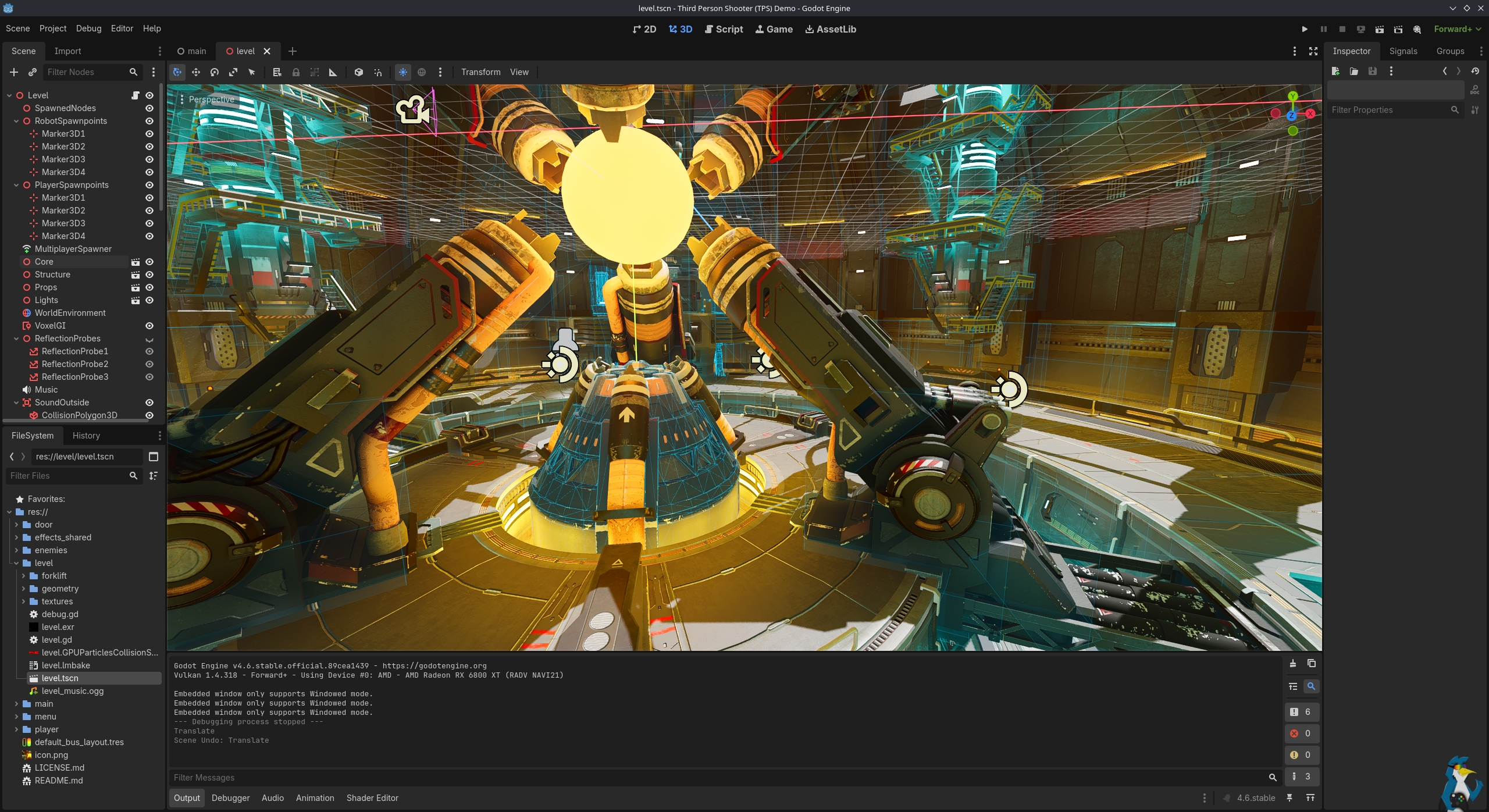
Selecting an engine defines your workflow, scope, and scalability.
Popular Options in 2026
| Engine | Best For | Strengths | Considerations |
|---|---|---|---|
| Unity | 2D, mobile, indie 3D | Massive ecosystem, Asset Store | Licensing changes require review |
| Unreal Engine | High-end 3D, PC/console | Visual quality, Blueprint system | Steeper learning curve |
| Godot | Lightweight, open-source projects | Flexibility, free | Smaller marketplace |
Unity remains strong for mobile and indie PC titles. Unreal Engine excels in high-fidelity 3D experiences. Godot appeals to developers preferring open-source ecosystems.
When deciding, consider:
- Target platform
- Personal technical comfort
- Community support
- Asset availability
- Monetization model
Switching engines mid-project is rarely practical. Choose deliberately.
4. Phase Two: Project Planning and Scope Control
Scope is the primary reason solo projects fail.
Professional development pipelines, such as those described in the GDC Vault talks, consistently emphasize vertical slicing and iterative development.
Start With a Vertical Slice
A vertical slice is a small, fully playable section demonstrating:
- Core mechanics
- Visual style
- Audio direction
- Basic UI
- Performance baseline
If the slice is not fun, expanding it will not fix the problem.
Practical Scope Control Framework
- Limit core mechanics to 1–3 primary systems
- Avoid procedural generation unless necessary
- Reduce multiplayer ambitions for first projects
- Cap estimated development time
In 2026, a focused, polished 4–8 hour experience often outperforms a 40-hour unfinished concept.
5. Asset Strategy for Solo Developers

Building everything from scratch is inefficient.
Platforms such as the Unity Asset Store and Unreal Marketplace offer high-quality starter assets, systems, and tools.
Smart Asset Integration
- Use assets for non-core systems (menus, controllers)
- Customize visuals to maintain cohesion
- Avoid asset “Frankenstein” syndrome
- Maintain consistent art direction
For 3D asset creation, tools like Blender (official documentation: https://docs.blender.org/) provide professional-grade modeling capabilities without cost.
A solo roadmap should balance custom creativity with strategic reuse.
6. Programming Architecture and Clean Code Practices
Technical debt accumulates quickly in solo projects.
Following software engineering practices outlined by the Mozilla Developer Network and industry best practices ensures long-term maintainability.
Core Practices
- Modular code structure
- Clear naming conventions
- Consistent folder organization
- Separation of game logic and UI
- Version control with branching
Clean architecture reduces burnout. Refactoring an entire project six months in is demoralizing and avoidable.
7. Testing, Feedback, and Iteration
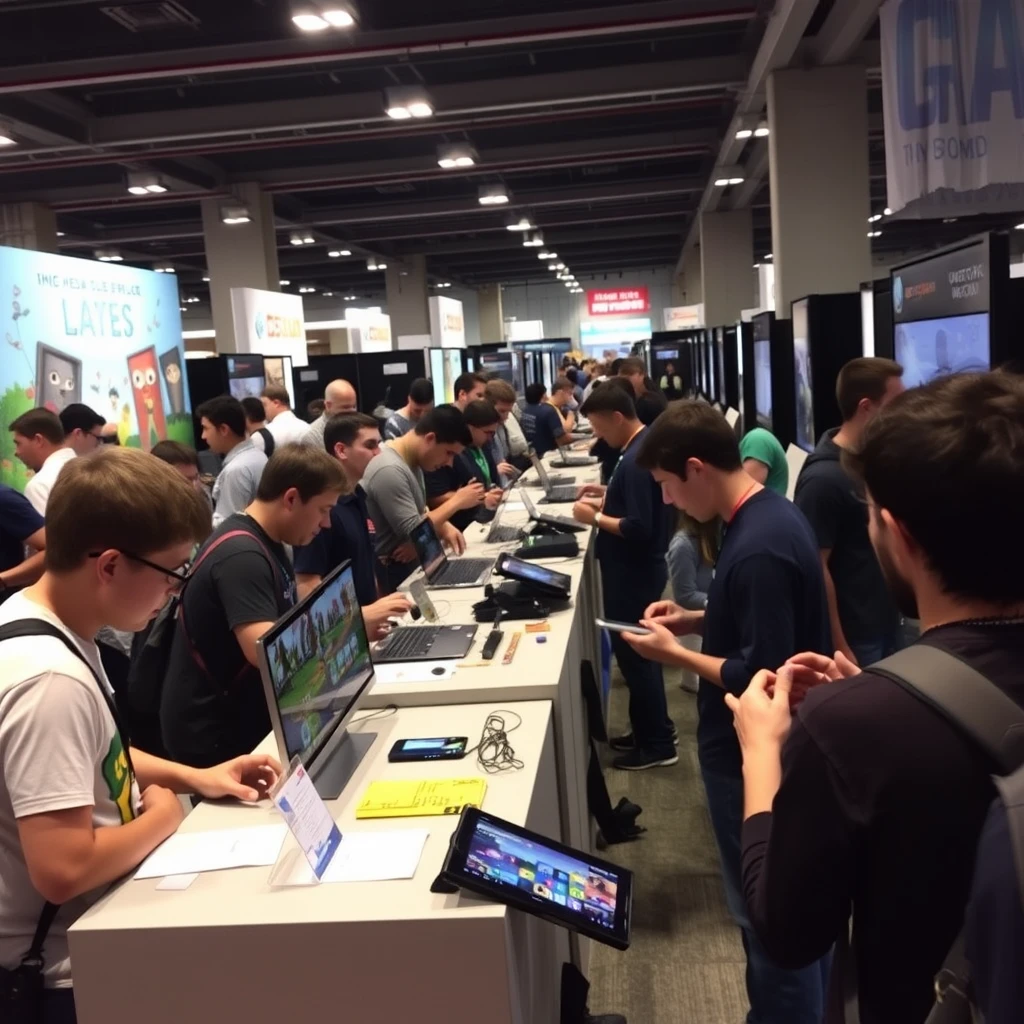
Testing is not optional.
Platforms like Steam provide beta testing features via Steamworks documentation, allowing controlled feedback before release.
Effective Testing Strategy
- Internal testing (self-play with notes)
- Closed beta with small communities
- Open demos during festivals
- Analytics integration
Feedback should be categorized:
- Critical bugs
- Gameplay clarity issues
- Balance adjustments
- Quality-of-life improvements
Iteration cycles should be structured and time-boxed.
8. Marketing Roadmap for Solo Developers
Marketing begins before development ends.
According to industry talks hosted on the GDC official site, discoverability often determines commercial success more than technical excellence.
Core Marketing Steps
- Create a development log early
- Build a mailing list
- Maintain consistent social presence
- Produce a high-quality trailer
- Prepare press kits
Steam page optimization, including wishlists, is critical. Clear descriptions, gameplay-focused trailers, and consistent branding increase conversion.
Marketing should follow a timeline:
| Stage | Marketing Focus |
|---|---|
| Pre-Production | Branding and concept clarity |
| Mid-Development | Community building |
| 6 Months Before Launch | Trailer and wishlist push |
| Launch Month | Press outreach |
| Post-Launch | Updates and retention |
9. Monetization Models in 2026
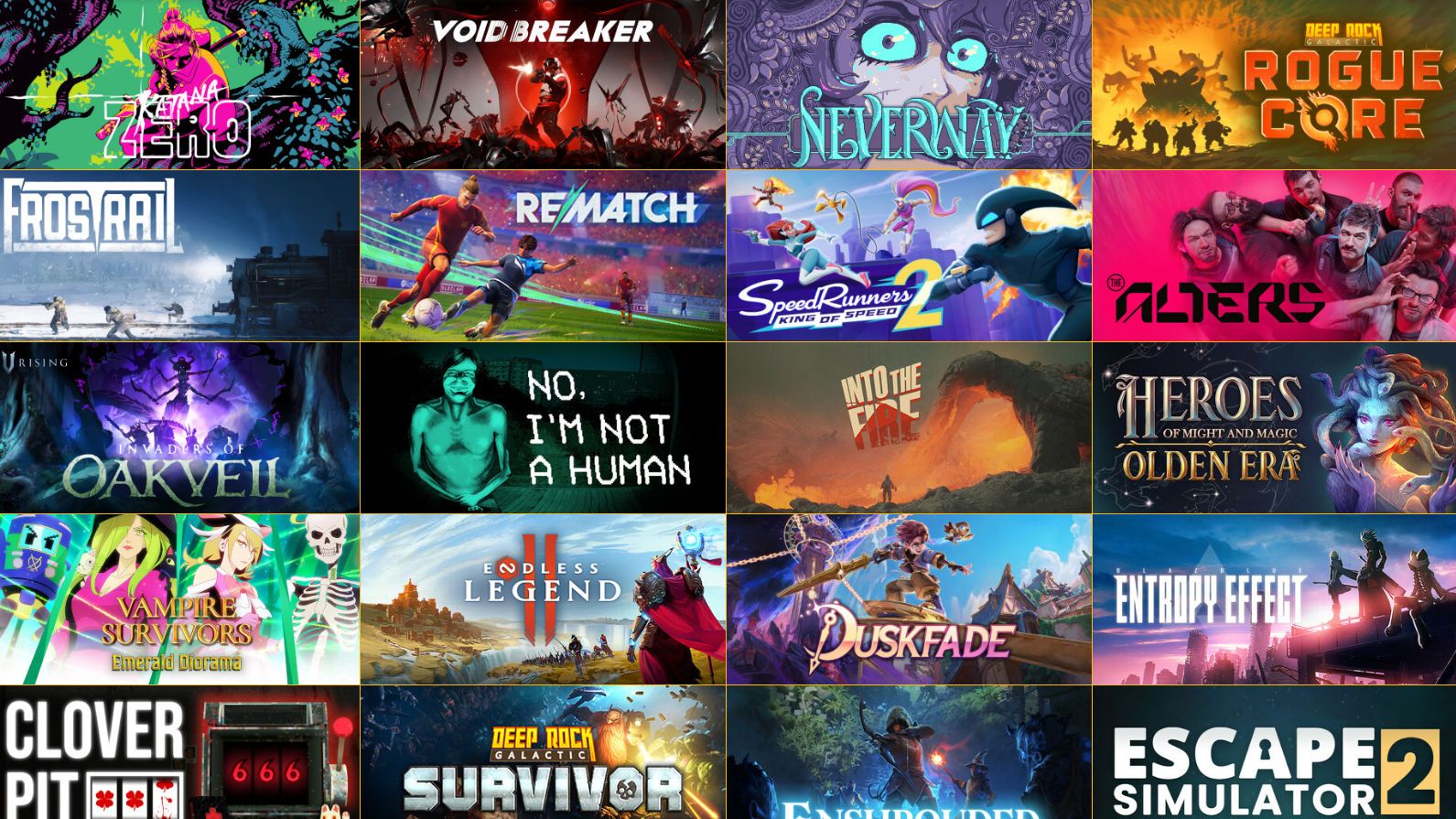
Monetization must align with audience expectations.
Common models:
- Premium purchase
- Free-to-play with cosmetic DLC
- Early Access
- Expansion-based updates
Steam documentation outlines pricing strategies and regional pricing tools that help optimize global reach.
Solo developers should prioritize:
- Transparent pricing
- Clear value proposition
- Avoiding aggressive monetization
- Long-term community trust
10. Launch Strategy and Post-Launch Support
Launching is not the end—it is the beginning of long-term maintenance.
Post-launch priorities include:
- Patch critical bugs quickly
- Communicate roadmap updates
- Gather structured player feedback
- Release small content updates
Consistent post-launch updates improve store visibility and player retention.
Comparison Table: 2026 Solo Developer Strategic Paths
Engine, Scope, and Revenue Alignment Overview
| Strategy Type | Engine Choice | Scope Size | Monetization | Risk Level | Ideal For |
|---|---|---|---|---|---|
| Micro Indie | Godot / Unity | Small | Premium | Low | First-time devs |
| Mid-Scale Indie | Unity | Medium | Premium + DLC | Moderate | Experienced solo devs |
| High-Fidelity Solo | Unreal Engine | Medium-High | Premium | High | Technical specialists |
| Experimental Prototype | Any | Small | Free / Early Access | Low | Portfolio builders |
This comparison highlights alignment between ambition, technical capability, and sustainability.
Frequently Asked Questions (FAQ)
How long should a solo game take to develop in 2026?
Most first commercial projects should target 12–24 months maximum. Smaller projects increase completion probability and reduce burnout.
Is multiplayer realistic for solo developers?
Only if limited in scope. Networking complexity significantly increases development time and testing requirements.
Should solo developers use AI tools?
AI-assisted art, coding suggestions, and testing tools can accelerate workflows. However, they must be integrated thoughtfully to maintain originality and compliance with platform policies.
Is Early Access still viable?
Yes, when transparent roadmaps and consistent updates are maintained. Poor communication, however, damages reputation quickly.
How important is community building?
Extremely important. Wishlists, feedback, and player loyalty often determine long-term viability.
Final Thoughts: A Sustainable Path Forward
Solo game development in 2026 demands more than creativity. It requires strategic planning, disciplined scope management, technical proficiency, and business awareness.
The most successful solo developers share consistent traits:
- They start small.
- They finish projects.
- They iterate based on feedback.
- They treat development as both art and structured production.
- They respect their audience.
Game engines are more powerful than ever. Distribution channels are global. Learning resources are abundant. Yet tools alone do not guarantee success.
A structured roadmap—skill development, controlled scope, iterative design, early marketing, and post-launch support—provides clarity in a competitive industry.
For developers willing to combine craft with discipline, 2026 offers unprecedented opportunity. The path is challenging, but structured execution transforms ambitious ideas into finished, playable worlds.